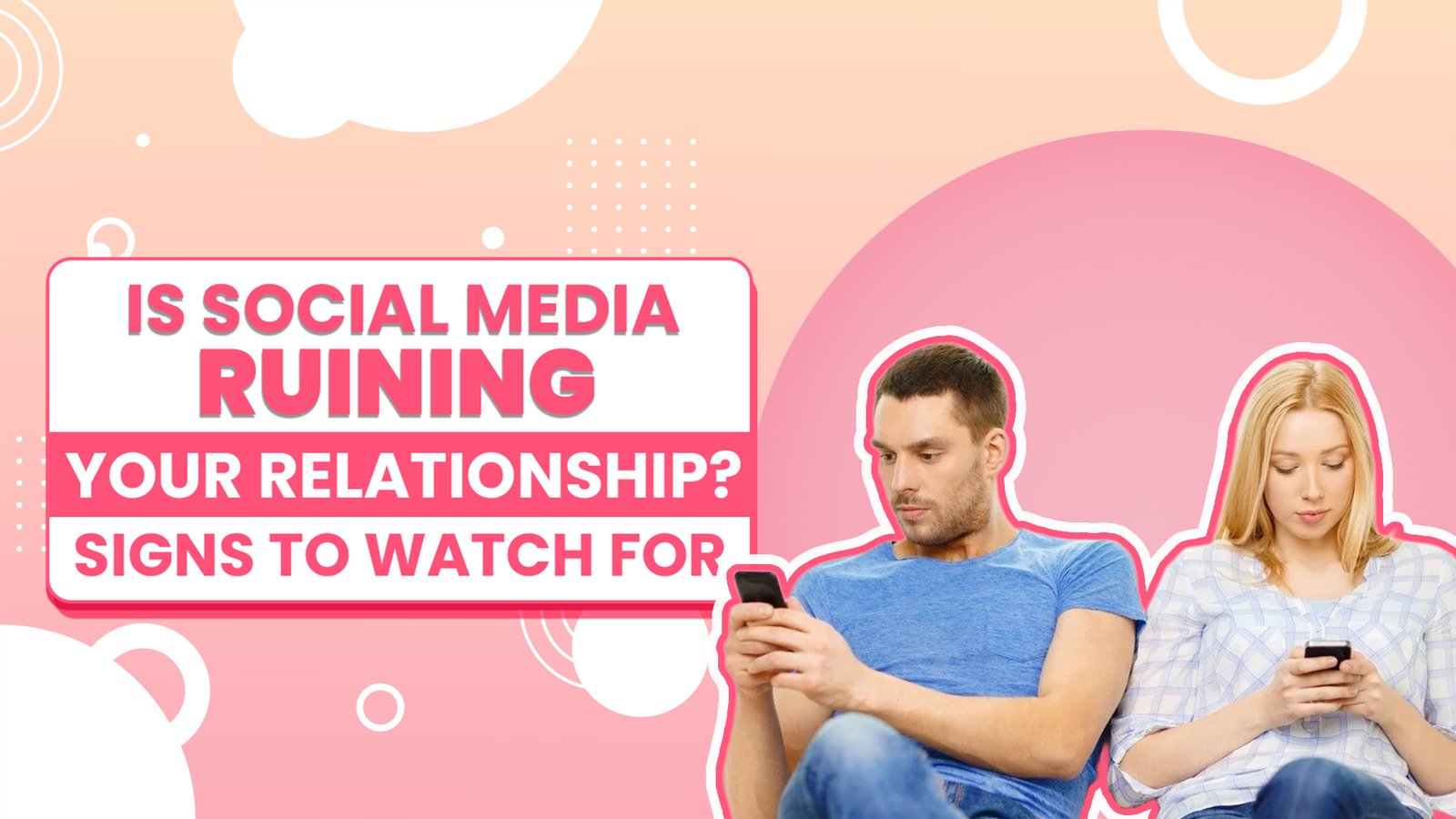
Social media has become an inseparable part of modern life. It connects us with friends, family, and the world at large, but when it comes to relationships, the impact can be complicated.
While platforms like Instagram, Facebook, and WhatsApp allow couples to stay in touch, overuse or misuse can lead to misunderstandings, insecurity, and even emotional distance.
Many couples today struggle with balancing online life and real-life connection. If you’ve ever felt that your partner’s phone gets more attention than you do, or arguments often stem from online activity, it may be time to reflect.
Let’s look at the clear signs that social media could be harming your relationship.
1. Constant Comparison
Scrolling through picture-perfect posts can make you compare your relationship to others. Seeing friends or influencers highlight only the best parts of their lives might create unrealistic expectations. Over time, this comparison can cause dissatisfaction with your own partner, even when nothing is wrong.

2. Reduced Quality Time
If you or your partner spend more time on the phone than engaging in meaningful conversation, social media may be interfering. Choosing online interaction over shared activities slowly erodes intimacy and makes your partner feel neglected.
3. Jealousy and Insecurity
Likes, comments, and follows may seem harmless, but they often trigger jealousy or suspicion in relationships. Constantly checking who your partner interacts with online can create unnecessary doubts, leading to arguments and mistrust.
4. Oversharing Personal Matters
Posting private arguments or intimate details on social media can damage trust and respect in a relationship. Not every moment needs to be public, and when one partner feels exposed, it creates emotional distance and resentment.
5. Emotional Affairs Online
Sometimes, social media opens the door to forming deeper connections outside the relationship. What may start as casual chatting can grow into an emotional affair, threatening intimacy and trust. Emotional cheating can be just as harmful as physical infidelity.
6. Secretive Behavior
If your partner hides their phone, deletes messages, or avoids sharing passwords, it can signal a problem. Secrecy often fuels suspicion, and even if nothing inappropriate is happening, the lack of transparency can weaken trust.

7. Arguments Triggered by Social Media
Do small disagreements about likes, follows, or online time often escalate into fights? Frequent arguments sparked by social media use indicate it is negatively influencing your relationship. Left unresolved, these conflicts can cause lasting resentment.
8. Using Social Media as an Escape
Sometimes, people turn to social media as a distraction from relationship issues instead of addressing them. Escaping into the virtual world may feel easier, but it prevents real conversations and solutions, leaving problems unresolved.
Conclusion
Social media itself isn’t the enemy, it’s how we use it that matters. In healthy relationships, both partners strike a balance between online engagement and real-life intimacy.
If you notice these warning signs in your relationship, it may be time to set boundaries, communicate openly, and refocus on your bond.
By prioritizing face-to-face connection and trust over likes and comments, couples can enjoy the benefits of social media without letting it harm their love life.
FAQs
1. Is it okay to share relationship details on social media?
Yes, but keep boundaries avoid posting private conflicts or intimate details that could harm trust.
2. How can couples prevent social media from causing issues?
Set clear boundaries, respect privacy, and prioritize real-life time together.
3. Can jealousy over social media ruin a relationship?
Yes. Unchecked jealousy can lead to constant arguments and mistrust, weakening intimacy.
4. Should partners share passwords for trust?
It depends on the couple. Openness builds trust, but healthy relationships also respect individual privacy.
5. Can taking a social media break improve relationships?
Absolutely. Disconnecting for a while allows couples to reconnect emotionally and strengthen their bond.